 CatsInfo
How to Prepare Your Cat for a Vet Visit
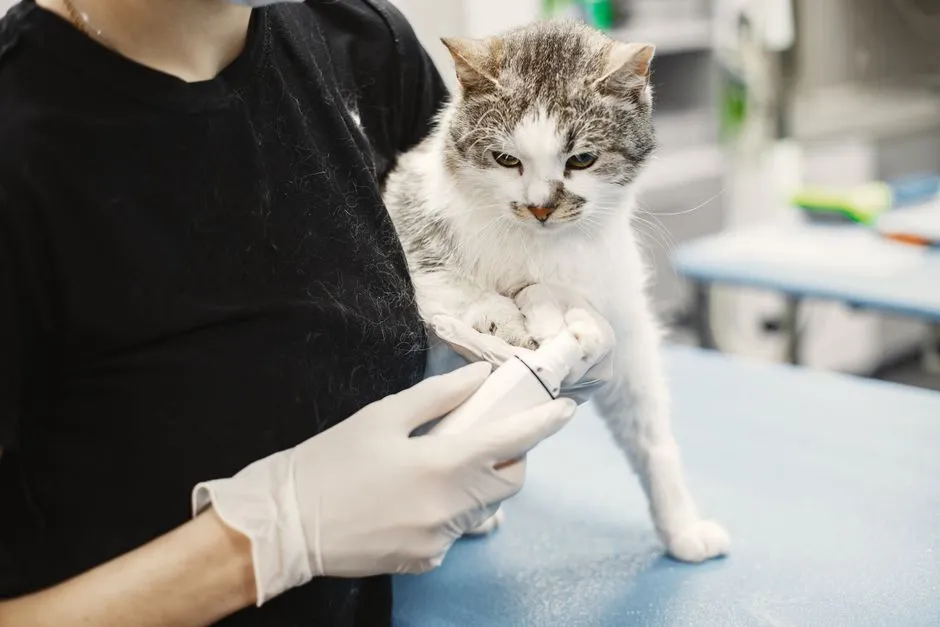
- How do you prepare a cat for a vet visit?
- What should you ask when booking the appointment?
- How should you summarize the reason for the visit?
- Which records and medicine details should you bring?
- How can you make the carrier familiar before the visit?
- What should you do on the morning of the visit?
- How should the carrier travel in the car?
- What should you do when you arrive?
- What information should you give the veterinary team?
- Which questions should you write down?
- How should you bring the cat home?
- What should you check after the appointment?
- Sources
How do you prepare a cat for a vet visit?
Prepare for a cat vet visit by confirming the clinic's instructions, leaving the carrier out before the appointment, collecting current records and medicines, and writing a short timeline of the concern. Load the cat calmly into a secure carrier, keep the carrier closed and supported during travel, and tell the clinic about distress or new symptoms. Do not fast, change medication or give a calming product unless the veterinary team specifically directs it.
The preparation should make two things easier: safe transport and a clear clinical history. It should not turn the owner into a diagnostician. If a health or behavior change prompted the appointment, record what happened and see your vet.
What should you ask when booking the appointment?
Tell the practice why the cat needs to be seen, when the change began and whether it is getting worse. The staff can decide the appropriate appointment type and timing. Do not minimize breathing difficulty or repeated straining with little or no urine. Cornell advises immediate veterinary attention for questions about a cat's ability to breathe comfortably and for suspected urethral obstruction.
Before the visit, confirm:
- the appointment time and arrival process;
- whether the clinic wants forms or records in advance;
- whether the cat should eat normally or follow a specific fasting instruction;
- what to do with each prescribed medicine on the day;
- whether a urine, stool or other sample is requested and how to collect and store it;
- whether photographs or short videos would be useful;
- whether you should wait in the car or use a quieter entrance;
- any transport advice for this cat's condition.
Practice-specific instructions take priority. Fasting that is appropriate for one planned procedure may be wrong for another cat. Never withhold food, water or prescribed medicine because a general checklist suggested it.
How should you summarize the reason for the visit?
Write the main concern in one factual sentence. For example: "Since Saturday evening, Milo has made repeated trips to the litter box and produced only small urine clumps." That is more useful than "Milo seems off" and safer than deciding at home that he has a particular disease.
Add a simple timeline:
- when the change was first noticed;
- how often it has happened;
- whether it is constant or linked to eating, movement, sleep or toileting;
- what the cat could normally do and what is different now;
- appetite, drinking, urine, stool, grooming, movement and interaction changes;
- any recent fall, possible toxin exposure, diet change or household change;
- what action has already been taken and who advised it.
Bring the raw observations. "Ate about half of the measured breakfast" is clearer than "poor appetite." If a behavior happens naturally and recording it does not delay care, a short video can help show breathing, walking, coughing, unusual movement or an episode that may not occur in the clinic.
The Feline Veterinary Medical Association emphasizes caregiver observations because subtle or gradual functional changes may be easier to see at home. A video is context, not a diagnosis.
Which records and medicine details should you bring?
Bring current vaccination and relevant medical records if the practice does not already have them. Include previous test results or discharge instructions the new clinic requested. Our cat vaccination schedule explains the usual purpose of vaccines, but the veterinary record is what the practice needs.
Make a complete medicine list with:
- prescription name and strength from the label;
- the prescribed amount and schedule;
- the time the most recent dose was given;
- over-the-counter products and supplements;
- known reactions recorded by a veterinarian;
- prescribing practice or pharmacy contact.
Bring original labeled containers when the clinic requests them, or take clear photographs of every side of the label. Do not rely on tablet color or a description such as "the small white one."
Do not stop, add, repeat or change a dose for the visit unless the prescribing veterinary team tells you to. Never give a human painkiller or another animal's medicine. If the cat is difficult to transport, ask the veterinarian about a cat-specific plan before the appointment rather than trying an unapproved sedative or supplement.
How can you make the carrier familiar before the visit?
Keep the carrier in ordinary living space with the door secured open. Add familiar bedding and allow the cat to investigate without being pushed inside. Food or play can happen near it and then, at the cat's pace, just inside it. Start well before travel day when possible.
International Cat Care's cat transport guide recommends making the carrier a familiar part of the home and avoiding a last-minute chase. The FelineVMA's positive-reinforcement toolkit explains gradual, voluntary training rather than forcing progress.
Check that the carrier is sturdy, ventilated and large enough for the cat to lie down and turn around. Test the latch, door and fasteners. A removable top can make access easier, but every part must lock securely before lifting.
If the appointment is soon and the cat does not yet enter voluntarily, ask the clinic for handling advice. Do not chase the cat through the house or pull them from a hiding place by a limb or tail.
What should you do on the morning of the visit?
Follow the clinic's feeding and medicine instructions exactly. Set out the records, medicine list, payment or insurance details, carrier liner, spare towel and any requested sample. Confirm that the carrier label and phone number are current.
Close exterior doors and block unsafe hiding spaces before approaching the cat. Keep the room quiet and other animals away. Move slowly. If the carrier has a removable top, the clinic may advise placing the cat into the lower half and fastening the top; use only a method that is safe for that carrier and cat.
Allow extra time so a delay does not become rough handling. If loading is unsafe or the cat is becoming severely distressed, stop and call the practice. The staff may change the plan or appointment timing.
How should the carrier travel in the car?
Keep the cat inside the closed carrier for the whole journey. Support the carrier from underneath with two hands when lifting it. In the vehicle, place it where it can be secured level and cannot slide, tip or become a projectile. Follow the carrier manufacturer's restraint instructions.
A light towel over part of the carrier may reduce visual stimulation for some cats, provided ventilation remains fully open and the cat does not become hot. Keep the vehicle quiet and at a comfortable temperature. Drive smoothly and avoid loud music.
Never let the cat travel loose, even if they vocalize. Do not open the carrier in a car park, at a fuel stop or in an unsecured vehicle. If the cat shows breathing difficulty, collapses or develops severe distress, contact the clinic or an emergency veterinary service for immediate direction.
What should you do when you arrive?
Follow the practice's arrival instructions. If the waiting room is busy or a dog is close to the carrier, ask whether you can wait in a quieter area. Keep the carrier off the floor when a stable chair, bench or designated stand is available, and keep its door closed.
Do not allow strangers or other animals to look into or touch the carrier. A partial towel cover may help if the cat remains comfortable and ventilation is clear. Tell staff promptly if the cat's condition has changed during travel.
The joint FelineVMA and International Society of Feline Medicine Cat Friendly Veterinary Interaction Guidelines emphasize reducing fear and giving cats choice and control where possible. The veterinary team still decides what handling is safe for the examination and required care.
What information should you give the veterinary team?
Lead with the main concern and timeline, then hand over the medicine list and records. Show only the clearest photographs or videos rather than making the team search through a phone. Mention changes that may seem unrelated, including appetite, drinking, litter-box use, sleep, grooming, mobility or interaction.
Be direct about anything the cat may have eaten or contacted, any missed or extra medicine, and any treatment already tried. Accurate information helps; embarrassment does not. Do not omit a possible toxin exposure because the cat currently looks normal.
For a kitten, bring the adoption or breeder records and every vaccine or parasite-treatment record supplied. Our kitten care guide can help organize first-year questions, while the veterinarian sets the individual care plan.
Which questions should you write down?
Put the most important questions first. Useful examples are:
- What are the next steps, and what uncertainty remains?
- What changes should prompt an urgent call or emergency visit?
- How and when will results be communicated?
- How should each prescribed medicine be stored and given?
- What should I do if a dose is missed or the cat will not take it?
- Are activity, food, water or litter-box changes needed?
- When is the follow-up, and what should I record at home?
Write down the answers or ask for printed discharge instructions. Repeat the plan back in your own words before leaving. If the written label and spoken direction seem different, ask the team to clarify before giving the medicine.
How should you bring the cat home?
Keep the cat in the carrier until you are inside a closed, secure room. Check the discharge instructions before opening the door, especially after sedation, anesthesia or a procedure. Provide the quiet setup, food, water, litter access and activity restriction the veterinary team specifies.
In a multi-cat home, the returning cat may smell unfamiliar. Bring the carrier into a separate quiet room first and observe the other cats' responses without forcing contact. If there is hissing, stalking, blocking or aggression, keep the cats safely separated and ask the veterinary practice for reintroduction guidance. Do not push them together to "get it over with."
The veterinary team's discharge and behavior advice takes priority for a cat returning from care.
What should you check after the appointment?
Read the discharge instructions again once you are home. Put follow-up dates and medicine times on a calendar, store products exactly as directed, and record the first dose given at home. Keep the clinic number accessible.
See your vet about any new health or behavior change after the visit. Use the practice's urgent-call list rather than waiting for a scheduled recheck. If the cat has breathing difficulty, repeated straining with little or no urine, or another emergency sign named by the clinic, seek emergency veterinary care.
The best preparation is simple: a familiar secure carrier, an accurate timeline, complete records, an exact medicine list, written questions and the clinic's own instructions.
Sources
- International Cat Care: Taking Your Cat to the Veterinary Clinic
- Feline Veterinary Medical Association: Positive Reinforcement Training Educational Toolkit
- Feline Veterinary Medical Association and International Society of Feline Medicine: Cat Friendly Veterinary Interaction Guidelines
- Feline Veterinary Medical Association: Chronic Pain Assessment
- Cornell University College of Veterinary Medicine: Dyspnea
- Cornell University College of Veterinary Medicine: Feline Lower Urinary Tract Disease
Frequently asked questions
Should I feed my cat before a vet visit?
Ask the veterinary practice when booking. Some appointments or procedures require specific fasting instructions, while others do not. Never withhold food, water or prescribed medicine because of a general online checklist. Follow the clinic's instructions for that cat and appointment.
What records should I bring to a cat's vet appointment?
Bring requested vaccination and medical records, previous results or discharge notes, a current prescription and supplement list, known reactions recorded by a veterinarian, and a factual timeline of the concern. Include clear photographs or short videos when the clinic says they may help.
How can I make the carrier less stressful?
Leave the carrier in normal living space with the door secured open, add familiar bedding, and reward voluntary investigation well before travel. Check the latch and fasteners. Avoid chasing or forcing the cat; call the practice for handling advice if loading becomes unsafe or severely distressing.
Can I give my cat something calming before the vet?
Only give a calming medicine or product when the cat's veterinarian has specifically directed it, including the exact product and instructions. Do not use human medicine, another animal's prescription, leftover sedatives or an unapproved supplement. Ask the clinic for an individual transport plan.
What should I do when my cat returns to a multi-cat home?
Bring the carrier into a quiet closed room first and observe the other cats without forcing contact. If there is hissing, stalking, blocking or aggression, keep them safely separated and ask the veterinary practice for reintroduction guidance. Follow discharge instructions after sedation, anesthesia or a procedure.