 CatsInfo
Cat Breathing Fast: When It's Normal and When It's an Emergency
A resting cat normally breathes 15 to 30 times per minute. Brief fast breathing after play, heat, or stress is usually fine if it settles quickly.
Help readers record changes in breathing, eating, drinking, elimination, weight, movement, grooming, or behaviour without diagnosing the cause.
Urgent signs and toxin exposure route to veterinary care. General information never substitutes for an examination and never provides medical dosing.
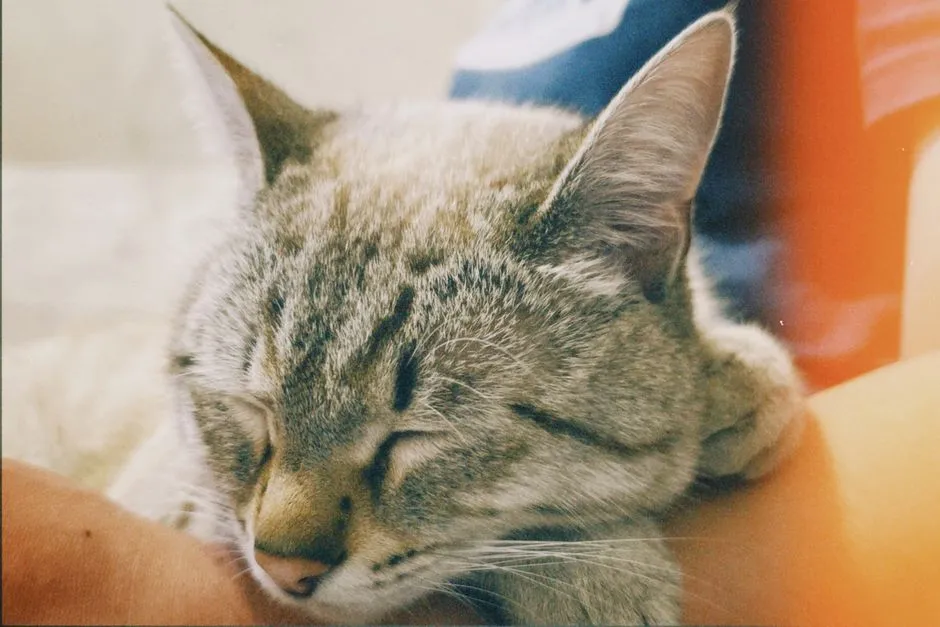
A resting cat normally breathes 15 to 30 times per minute. Brief fast breathing after play, heat, or stress is usually fine if it settles quickly.
A cat emergency kit needs a secure carrier, several days of familiar food and water, prescribed medicine, identification, vaccination and veterinary…
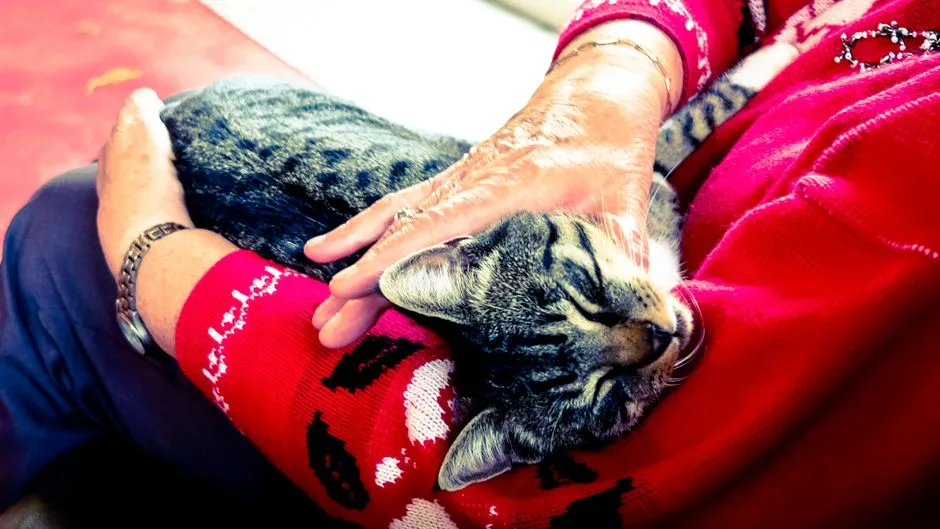
Call a vet if an adult cat has not eaten for 24 hours, and sooner for a kitten, senior, diabetic or otherwise unwell cat.
Every cat needs the core vaccines: FVRCP (herpesvirus, calicivirus, panleukopenia) and rabies, plus FeLV as a kitten.
Count a cat's resting breaths while the cat is sound asleep or quietly resting in a cool room, not purring or recently active.
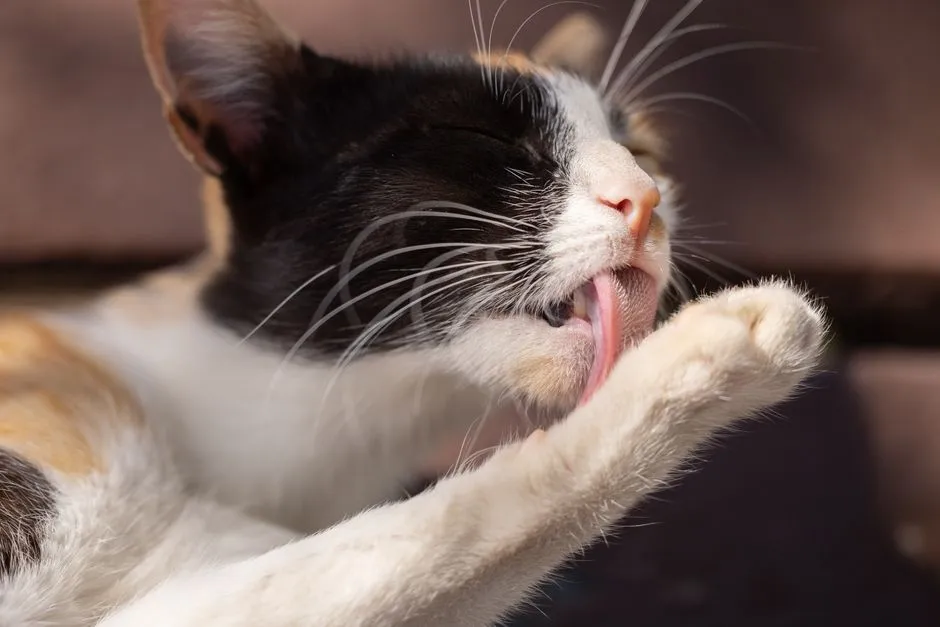
Fleas and worms are common cat parasites and they are linked: fleas spread the most common tapeworm when a cat swallows one while grooming.
Hairballs form when fur a cat swallows while grooming clumps in the stomach and gets vomited up instead of passing in the stool. An occasional one is normal.
A cat needs roughly 50 mL of water per kilogram of body weight per day, but that total includes moisture from food.
You can check at home in under a minute using a body condition score. Feel the ribs: on a healthy cat you feel them easily under a thin fat layer.
Cats hide illness instinctively, so watch for changes from your cat's normal.
Prepare a cat for a vet visit by confirming the clinic's instructions, making the carrier familiar, gathering current records and medicines, and writing a…
Signs of pain in cats often appear as changes from the cat's normal routine: less jumping, stiff or hunched posture, reduced grooming, eating less,…
Cats are considered senior from about age 11. Good senior care means twice-yearly vet checkups with bloodwork and blood pressure checks, monthly…
An occasional sneeze is normal; it's just the nose clearing an irritant.
Cats throw up for many reasons: hairballs, eating too fast, a sudden diet change, eating something they shouldn't, parasites, or longer-term illness like…