 CatsInfo
Types of Cat Litter Compared: Which Is Right for You?
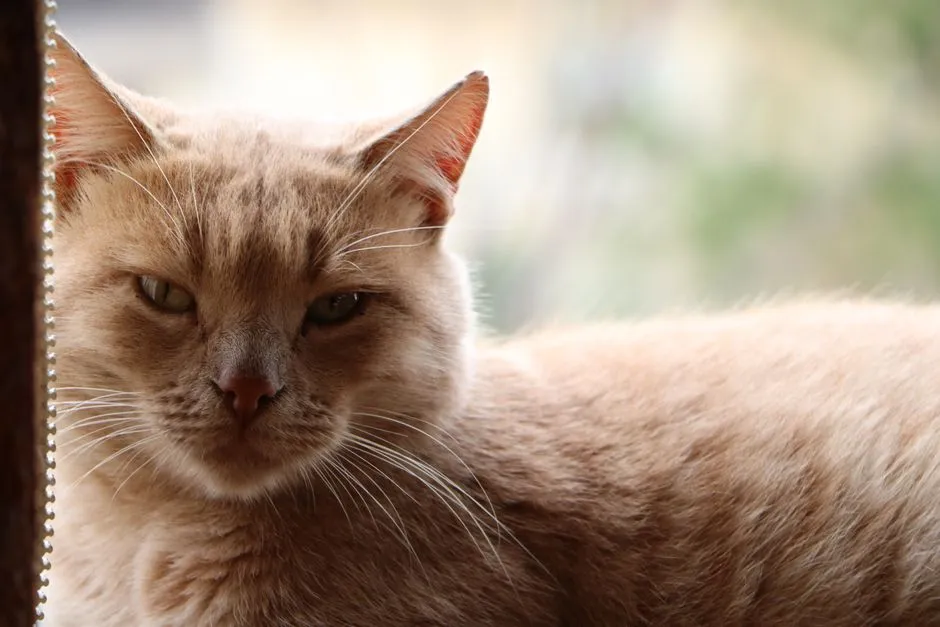
The "best" litter is the one your cat will actually use
There is no single best cat litter, and any product that claims to be the best for every cat is selling you the label, not the litter. The real answer depends on two things that often pull in different directions: what your cat prefers underfoot, and what fits your household, budget, and cleaning habits.
Here is the part most buying guides bury: your cat's opinion outranks yours. A litter can be low-dust, eco-friendly, and lightly scented in a way you love, and your cat can still refuse it and start going on the bathroom mat. When a cat rejects a box, litter texture and smell are among the first things to check, right alongside cleanliness and box location. If you are already dealing with accidents, read our guide to litter box problems before you blame the litter alone.
So let's compare the real options honestly — what each type is made of, how it performs, and who it suits — and then work out how to choose.
What cats actually prefer
Before the product tour, it helps to know what most cats gravitate toward when given a choice. Behavioural research and decades of veterinary observation point in a consistent direction:
- Fine, sand-like texture. Cats are desert-descended animals that instinctively dig and bury in loose, soft substrate. Most prefer a fine grain they can rake with their paws over coarse pellets or large crystals.
- Unscented. A cat's sense of smell is far more sensitive than ours. Heavy floral or "fresh linen" fragrance is designed for human noses and can actively deter cats. When in doubt, go unscented.
- A decent depth. Around 2 to 3 inches (5 to 7 cm) lets a cat dig and cover comfortably.
- Clean. No litter type overcomes a dirty box. Cats are fastidious, and even a great substrate gets rejected if it is not scooped.
None of this means every cat wants the same thing. Some genuinely prefer pellets or crystals. But if you are guessing, a fine, unscented, clumping substrate is the safest default — it is what the largest share of cats accept.
The main types of cat litter
Clumping clay (sodium bentonite)
This is the most popular litter in many households, and for good reason. It is made from bentonite clay, which swells and binds into a solid mass when it hits moisture, so urine forms scoopable clumps instead of soaking through the whole box.
Strengths: Excellent odor control, easy daily scooping, fine sand-like texture that most cats accept, and widely available at low cost. Because you remove only the soiled clumps, a box can go longer between full changes.
Trade-offs: It can be dusty (though low-dust formulas exist), it is heavy to carry, and it is not biodegradable — bentonite is strip-mined and belongs in the trash, never the toilet. Clumping clay can also clog plumbing, so do not flush it.
A note on kittens: Many vets suggest avoiding clumping clay for very young kittens (under about 8 to 12 weeks) who tend to taste-test their litter, on the theory that swallowed clumping material could expand in the gut. The evidence here is more precautionary than proven, but it is an easy risk to sidestep with a non-clumping or paper litter until they outgrow the habit.
Non-clumping clay
The older, simpler version. Traditional clay absorbs moisture but does not form clumps, so urine spreads through the litter and you cannot scoop it out cleanly.
Strengths: Usually the cheapest option, good initial absorbency, and often less dusty than budget clumping clays. It can be a reasonable choice for kittens or for cats that dislike the feel of clumping litter.
Trade-offs: Odor builds up faster because urine sits in the litter. You cannot spot-clean effectively, so the whole box needs dumping and refilling more often — typically every few days in a single-cat box. Over a month, that frequent full replacement can erode the price advantage.
Silica gel crystals
These are the translucent or white beads made from amorphous silica gel — the same desiccant family as those "do not eat" packets, but formulated as litter. They are extremely absorbent and trap moisture and odor inside the crystals.
Strengths: Very strong odor control, very low dust, lightweight, and long-lasting — a single fill can last weeks for one cat because you stir it and only scoop solids. Good for people with dust sensitivities.
Trade-offs: More expensive per bag, and the texture divides cats sharply — some find the hard beads unpleasant to walk on and dig in. Crystals also do not signal saturation as obviously; once they are full, odor control fails suddenly. When urine clumping is offered in crystal form, it can work well, but classic bead crystals do not clump. The amorphous silica used in litter is considered non-toxic, distinct from the crystalline silica dust that carries respiratory warnings.
Plant-based and biodegradable litters
This fast-growing category includes litters made from corn, wheat, pine, recycled paper, walnut shell, grass seed, and pea or soy (tofu) fibre. They are marketed on sustainability, lighter weight, and lower dust, and many are compostable or partially flushable.
- Corn and wheat: Clump naturally thanks to their starches, with a soft texture cats often accept. Downsides: they can track, and because they are food-based they may attract pantry pests or grow mold if left damp too long. Some carry a caution about aflatoxin (a natural mold toxin) in corn — reputable brands manage this, but store the bag dry.
- Pine: Sold as pellets or a finer clumping grind. Kiln-dried pine has most of its aromatic phenols removed and is generally regarded as safe; it has a natural woody smell and turns to sawdust as it absorbs, which some sifting boxes handle neatly.
- Recycled paper: Very low dust and soft, making it the litter many vets recommend after surgery or for declawed or injured paws (paper does not stick to a healing incision the way grit can). It controls odor less aggressively and needs frequent changing.
- Walnut shell: Dark, highly absorbent, good odor control, clumps reasonably — but the dark dust can stain light flooring and some cats dislike it.
- Grass and tofu: Lightweight, soft, often flushable in small amounts, decent clumping. Usually the priciest of the group.
Strengths across the group: Renewable materials, lighter bags, lower dust, and reduced landfill impact. Trade-offs: Generally higher cost, more tracking, and odor control that ranges from excellent to mediocre depending on the specific product. "Flushable" claims deserve caution — plumbing and septic systems vary, and cat waste can carry a parasite (Toxoplasma) that some regions ask you to keep out of the water supply.
Clumping vs non-clumping: the core decision
Most people's real choice comes down to this one axis, because it dictates your daily routine more than the raw material does.
Clumping litter lets you scoop urine and stool out every day and top up the rest, keeping a relatively clean box between full changes. It is more convenient, controls odor better day to day, and wastes less litter over time — you remove only what is soiled. The cost is dust, weight, and (for clay) an un-flushable, non-biodegradable product.
Non-clumping litter absorbs and masks for a while, but because urine cannot be lifted out, the whole box has to be emptied and refilled far more often. It tends to be cheaper up front and can be gentler for kittens and post-surgery cats. The cost is more frequent full changes, faster odor buildup, and more litter used overall.
For most healthy adult cats in most homes, clumping wins on convenience and hygiene. Non-clumping earns its place for kittens, recovering cats, and owners who genuinely prefer a simple dump-and-refill over daily scooping.
Side-by-side comparison
| Litter type | Clumps? | Odor control | Dust | Cost | Biodegradable | Best for |
|---|---|---|---|---|---|---|
| Clumping clay | Yes | Very good | Moderate to high | Low | No | Most adult cats; everyday convenience |
| Non-clumping clay | No | Fair | Low to moderate | Lowest | No | Kittens, tight budgets, dump-and-refill routines |
| Silica crystals | No (beads) | Excellent | Very low | High | No | Odor-sensitive homes; low-dust needs; travel/low maintenance |
| Corn / wheat | Yes | Good | Low | Medium | Yes | Eco-minded owners wanting natural clumping |
| Pine | Some | Good | Low | Medium | Yes | Natural scent; sifting-box users |
| Recycled paper | No | Fair | Very low | Medium | Yes | Post-surgery, injured paws, dust sensitivity |
| Walnut shell | Yes | Very good | Low to moderate | Medium | Yes | Strong odor control from a natural material |
Treat this as a starting map, not a verdict. Two clumping clays from different makers can perform very differently on dust and clump strength, so brand and formula still matter within each row.
How to actually choose
Work through these in order — the first ones matter more than the last.
- Start with your cat, not the marketing. If your cat already uses a litter reliably, think hard before switching. A working box is worth more than a marginally cheaper or greener bag.
- Match your cat's life stage and health. Young kittens and cats recovering from surgery do better on non-clumping or paper litter. Adult cats with no issues usually do best on fine, unscented clumping litter.
- Go unscented first. You can always try a lightly scented version later, but starting fragrance-free avoids a common cause of rejection.
- Weigh your own constraints. Dust sensitivity points toward crystals or paper. A bad back points toward lightweight plant-based or crystal litter. A tight budget points toward clay. Environmental priorities point toward plant-based.
- Consider the household. In multi-cat homes, follow the "one box per cat, plus one" rule and lean toward strong-odor-control clumping or crystal litters, because more cats means more waste per box.
- Buy one bag and test before you commit. Performance claims are easy to make; how a litter clumps, tracks, and smells in your home is the only test that counts.
Switching litters without triggering a strike
Cats dislike sudden change, and an abrupt swap is a classic way to cause a boycott. Transition gradually instead:
- Mix a small amount of the new litter into the old, and increase the proportion over 7 to 10 days.
- If you have room, offer a second box with the new litter beside the familiar one and let your cat vote with its paws.
- Watch for hesitation, perching on the edge, or eliminating just outside the box — all signs the new substrate is not landing.
If your cat stops using the box after a change, go back to what worked and slow the transition down. A litter that the cat refuses is not a bargain at any price, and persistent avoidance is worth a vet visit to rule out a medical cause such as a urinary problem.
The honest bottom line
Takeaway: For most cats, a fine-grained, unscented clumping litter is the best first choice — but the truly best litter is whichever clean, comfortable substrate your particular cat uses without complaint. Buy small, test at home, prioritize your cat's preference over the label, and switch slowly if you change.
Frequently asked questions
Is clumping or non-clumping litter better?
For most healthy adult cats, clumping litter is more convenient and hygienic because you scoop out soiled clumps daily and control odor between full changes. Non-clumping litter is cheaper up front and gentler for kittens or cats recovering from surgery, but urine cannot be removed, so the whole box needs dumping and refilling far more often.
What litter do cats prefer?
Most cats prefer a fine, sand-like, unscented litter they can dig and bury in, at a depth of about 2 to 3 inches. As desert-descended animals, they instinctively rake loose, soft substrate. Heavy fragrance and coarse pellets or large crystals tend to deter them, though some individual cats do prefer pellets or crystals.
Is clumping litter safe for kittens?
Many vets suggest avoiding clumping clay for kittens under roughly 8 to 12 weeks, who often taste-test litter, because swallowed clumping material could expand in the gut. The evidence is precautionary rather than proven, but it is easy to avoid by using non-clumping or paper litter until the kitten outgrows the habit.
Is silica crystal litter safe?
Yes. The amorphous silica gel used in crystal litter is considered non-toxic and is different from the crystalline silica dust that carries respiratory warnings. Crystals offer strong odor control and very low dust, making them good for dust-sensitive homes. The main downsides are higher cost and a hard texture that some cats dislike walking on.
Can you flush cat litter down the toilet?
Usually not. Clay litter, including clumping bentonite, can clog plumbing and must go in the trash. Some plant-based litters claim to be flushable, but plumbing and septic systems vary, and cat waste can carry the Toxoplasma parasite that some regions ask you to keep out of the water supply. When unsure, bag it and bin it.
How do I switch my cat to a new litter?
Transition gradually over 7 to 10 days by mixing a little new litter into the old and increasing the proportion daily. If you have space, offer a second box with the new litter beside the familiar one and let your cat choose. Watch for hesitation or accidents, and slow down or revert if your cat starts avoiding the box.