 CatsInfo
Litter Training a Kitten: A Step-by-Step Guide
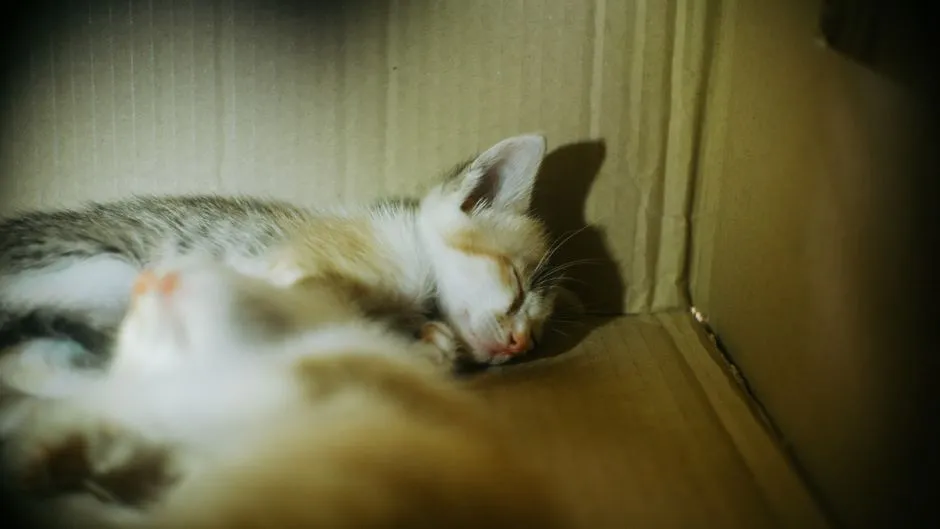
The good news: kittens do most of the work themselves
Litter training a kitten is less about teaching and more about not getting in the way. Cats are born with a strong instinct to dig in loose, granular material and bury their waste. That instinct comes from their wild ancestors, who buried droppings to hide their scent from both predators and rival cats. It means the vast majority of kittens take to a litter box with almost no formal training at all.
Your real job is to set up the environment so that using the box is the obvious, easy, comfortable choice, and to avoid the handful of mistakes that create problems. Do that, and most kittens are reliably using the box within a few days of coming home.
This guide walks through when kittens are ready, exactly how to set things up, a simple step-by-step routine, and how to handle the accidents and hiccups that occasionally come up.
When do kittens start using a litter box?
Kittens don't eliminate on their own for the first few weeks of life. Newborns rely on their mother licking the genital area to stimulate urination and defecation. She also keeps the nest clean, so there's nothing for a very young kitten to learn.
Here's the rough timeline:
| Age | What's happening | Litter box readiness |
|---|---|---|
| 0–3 weeks | Mother stimulates elimination; kitten can't go on its own | Not ready |
| 3–4 weeks | Kittens begin eliminating independently and start exploring | Introduce a shallow box |
| 4–6 weeks | Curiosity and digging instinct kick in strongly | Most begin using the box consistently |
| 8 weeks+ | Typical age a kitten goes to a new home | Should already be box-trained |
By around three to four weeks, kittens start eliminating without their mother's help and become curious about their surroundings. This is the natural window to offer a low, easy-to-enter litter box. By six to eight weeks, most kittens use it well.
If you've adopted a kitten at the usual eight to twelve weeks, it has very likely already learned from its mother and littermates. Your task is simply to show it where the box lives in your home. If you're bottle-raising an orphaned kitten, you'll introduce the box yourself once it's around three to four weeks old and eliminating on its own.
A quick note: if a kitten of any age genuinely can't or won't use a box despite a good setup, that's worth a conversation with your vet, because it can occasionally signal a medical issue rather than a training one.
What you need before you start
You don't need much, and expensive gear rarely helps. Prioritize easy access and cleanliness over gadgets.
Litter boxes. Get more boxes than you think you need. The standard guideline is one box per cat, plus one extra. For a single kitten that means two boxes. For a young kitten, choose a box with at least one low side (around 1–2 inches high) so it can climb in without help. You can graduate to a taller box as it grows.
Litter. For kittens, an unscented, fine-grained clumping clay litter is the safe default. It mimics the sandy texture cats instinctively prefer, and unscented matters because strong fragrances that smell "clean" to us can put a cat off entirely.
There's one real caution here. Very young kittens sometimes taste or eat litter while exploring. Traditional clumping clay can swell if a large amount is swallowed, so many vets suggest a non-clumping or a natural litter for kittens under about seven or eight weeks, then switching to clumping once the kitten reliably ignores the litter as food. If your kitten is eating litter regularly, that's a reason to check in with your vet.
A scoop and a routine. A slotted scoop and a lined bin nearby make daily cleaning something you'll actually do.
Skip these for now: covered/hooded boxes (they trap odor and can feel confining to a nervous kitten), self-cleaning automatic boxes (the noise and motion frighten many kittens), and litter box liners (kittens' claws snag them).
Where to put the box
Placement causes more litter box failures than the litter itself. Think about how a small, cautious animal experiences the space.
- Quiet and low-traffic, but not so isolated the kitten has to trek across the house. A kitten with a full bladder and a long distance to travel will often just go where it stands.
- Away from food and water. Cats instinctively avoid eliminating where they eat. A box next to the food bowl may simply be ignored.
- Easy to reach, with no closed doors, stairs a tiny kitten can't manage, or loud appliances in the path. Washing machines and furnaces that suddenly roar to life can scare a kitten off a location permanently.
- One box per level of a multi-story home, at minimum. Small kittens don't plan ahead, and a box two floors away won't get used in time.
- Predictable. Once the kitten is using a spot reliably, leave it there. Moving the box is a common trigger for accidents.
If you have a large home, start by confining your new kitten to one room or a small area with its box, bed, food, and toys. A smaller world is easier to learn, and you can expand its access as it proves reliable.
Step-by-step: the first week
Here's the whole method, start to finish.
Set up before the kitten arrives. Place the box (or boxes) in the chosen spot and fill with about 1–2 inches of litter. Deep litter isn't better; kittens like enough to dig, not a pit to wade through.
Show the kitten the box early. Within the first hour at home, gently place the kitten in the box and let it feel and sniff the litter. Don't force it to stay. You're pointing out the location, not running a drill.
Time the placements. Kittens most often need to go shortly after waking, after eating, and after play. At those moments, calmly carry the kitten to the box and set it down. If it digs, sniffs, or goes, quietly let it finish.
Reward, don't punish. When the kitten uses the box, offer soft praise or a small treat right after. Positive association builds the habit fast. Never scold, yell, or rub a kitten's nose in an accident. It doesn't understand punishment after the fact, and fear of you near the box only makes things worse.
Keep it clean, but not sterile. Scoop waste at least once or twice a day. Kittens avoid dirty boxes just like we avoid a dirty toilet. Early on, though, leaving a tiny bit of scent (or moving a soiled clump into the box) can actually help a slow learner find the right spot.
Do a full change on a schedule. For clumping litter, scoop daily and change the litter completely and wash the box every week or two with mild, unscented soap. Avoid strong disinfectants; ammonia-based cleaners in particular smell like urine to a cat and can attract repeat accidents.
Expand territory gradually. As the kitten uses the box consistently for a few days, open up more of the house, adding boxes as needed so one is always close by.
Most kittens need very little of step 3 before they're heading to the box on their own. If yours seems to have the idea within a day or two, you can relax the escorting and just keep the box clean and accessible.
Handling accidents
Accidents happen, and they're almost never defiance. A kitten that goes outside the box is telling you something is off, usually about location, cleanliness, timing, or how it feels.
When you find an accident:
- Clean it thoroughly with an enzymatic cleaner made for pet messes. Ordinary household cleaners mask the smell to your nose but leave odor markers a cat can detect, drawing it back to the same spot. Enzyme cleaners break those markers down.
- Don't punish. Interrupt gently only if you catch the kitten mid-act ("mid" being the key word), then calmly move it to the box. After the fact, punishment teaches nothing except to fear you.
- Look for a pattern. Same corner every time? That spot may feel safer or more box-like than the actual box. A soft rug or a pile of laundry can feel a lot like litter. Block access, clean well, or temporarily put a box right there.
If a kitten keeps missing the box despite a clean, accessible setup, run through this checklist:
- Is the box clean enough?
- Is there a box on every level, and enough boxes (one per cat plus one)?
- Is the litter unscented and a texture the kitten likes?
- Is the box away from food, noise, and high traffic?
- Did anything change recently — a move, a new pet, a different litter?
- Could this be medical?
That last point matters. Straining, crying in the box, frequent tiny trips, blood in the urine, or going right next to the box rather than in it can indicate a urinary tract issue, and in male kittens a urinary blockage is a genuine emergency. Sudden changes in litter box behavior deserve a vet visit, not more training. For a fuller walkthrough of causes and fixes, see our guide to litter box problems.
Special situations
Multiple kittens. Follow the one-per-cat-plus-one rule and spread the boxes out. Two boxes side by side read as one big box to a cat, so kittens may compete or avoid a spot another has soiled.
Switching litter. Cats are creatures of habit. If you need to change litter type, do it gradually over a week or so, mixing increasing amounts of the new litter into the old rather than swapping all at once.
From outdoors or a shelter. A kitten used to soil or a different substrate may need a transition. Mixing a little of the familiar material into the litter, or starting with a sandier texture, can bridge the gap.
Older kitten who never learned. The same method works. Confine to a small space with an easy box, keep it spotless, and reward success. Learning just takes a little longer without a mother to model it.
Good litter habits are also part of the bigger picture of raising a healthy, confident cat. If you're setting up for a new arrival, our overview of kitten care covers feeding, vet visits, and socialization alongside the basics here.
The one-line takeaway
Give a kitten a low, clean, unscented box in a quiet, easy-to-reach spot, gently show it the location after meals and naps, reward success and never punish accidents, and instinct will handle almost all the rest.
Frequently asked questions
At what age do kittens start using a litter box?
Kittens begin eliminating on their own at around three to four weeks, which is when you can introduce a shallow, low-sided box. Most use it consistently by six to eight weeks. Kittens adopted at eight to twelve weeks are usually already trained by their mother and just need to be shown where the box is in your home.
How long does it take to litter train a kitten?
For most kittens, only a few days. Because burying waste is instinctive, a well-placed, clean box in a quiet spot is often used within a day or two. Orphaned or shelter kittens with no mother to model the behavior may take a week or two of gentle guidance and consistent routine.
What kind of litter is best for a kitten?
Start with an unscented, fine-grained litter, since strong fragrances can deter cats. For kittens under seven or eight weeks who may taste litter, many vets recommend a non-clumping or natural litter, since swallowed clumping clay can swell. Switch to unscented clumping clay once the kitten reliably ignores the litter as food.
Why is my kitten not using the litter box?
Usually the setup, not defiance. Check that the box is clean, unscented, low enough to enter, away from food and noise, and that there's one per level. Recent changes like a move or new litter can trigger accidents. Straining, crying, blood, or frequent tiny trips signal a possible medical issue needing a vet.
Should I punish my kitten for accidents outside the box?
No. Kittens don't connect after-the-fact punishment with the act, and scolding only makes them fear you and avoid the box. Instead, clean accidents with an enzymatic cleaner to remove odor markers that draw them back, then fix the underlying cause: box cleanliness, placement, litter type, or timing. Reward correct use to build the habit.