 CatsInfo
How to Groom a Cat at Home: Brushing, Nails and Baths
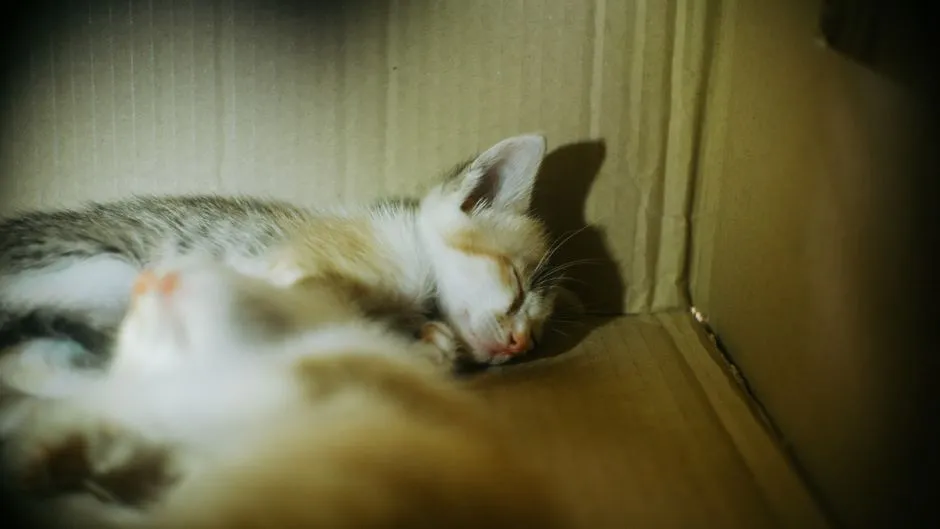
Cats groom themselves — so why do it for them?
Healthy cats spend a surprising slice of their waking lives grooming. A cat's tongue is covered in tiny backward-facing barbs that act like a built-in comb, and most cats keep their coats respectable without any help from us.
So home grooming isn't about doing a job your cat can't do. It's about the parts they can't reach, the hair they can't get rid of, and the problems you can catch early if you have your hands on them regularly.
Brushing removes the loose, dead hair that would otherwise end up swallowed and later coughed back up. It cuts down on shedding around the house, spreads the skin's natural oils through the coat, and prevents the tangles that turn into painful mats. Just as important, ten minutes with a brush is ten minutes of running your hands over your cat's body — which is how you find a scab, a lump, a flea, or a sore spot before it becomes a vet emergency.
Nail trims keep claws from overgrowing into the paw pad. The occasional bath handles the messes a tongue can't. And the whole routine, done gently, becomes a trust exercise that makes the next vet visit far less traumatic.
This is the honest, practical version: what actually matters, how often, and how to do it without either of you ending up bleeding.
Brushing: the part that matters most
If you only do one thing on this page, brush your cat. It delivers the most benefit for the least drama, and it's the foundation everything else rests on.
How often to brush a cat
The right frequency depends almost entirely on coat length. Short-haired cats can go a while between sessions; long-haired cats need near-daily attention or their coats will mat, full stop.
| Coat type | Examples | How often to brush | Best tools |
|---|---|---|---|
| Short-haired | Domestic shorthair, Siamese, Bengal | Once or twice a week | Rubber curry brush, bristle brush |
| Medium-haired | Maine Coon (juvenile), most "fluffy" mixes | 2–3 times a week | Slicker brush, wide-tooth comb |
| Long-haired | Persian, Ragdoll, Maine Coon | Daily, or close to it | Steel comb, slicker brush |
| Hairless | Sphynx | Skip brushing; bathe regularly (see below) | Damp cloth, gentle wipes |
Those are baselines, not ceilings. Cats shed more heavily in spring and fall, so bump up the frequency when you notice more hair around. And any cat that's grooming itself less — commonly senior cats whose arthritis or dental pain makes twisting around uncomfortable, or overweight cats who simply can't reach — needs you to pick up the slack. If you're finding greasy patches, dandruff, or matting along the back and hindquarters, that's a signal your cat has stopped self-grooming those areas and needs daily help.
More frequent, shorter sessions almost always beat one long weekly ordeal. A tolerable two minutes every day builds a habit; a fifteen-minute battle teaches your cat to run when the brush comes out.
Picking the right brush
You don't need a drawer full of gadgets. A sensible starter kit:
- A rubber curry or grooming mitt for short coats and for cats who dislike bristles. It feels like petting and lifts loose hair well.
- A slicker brush (fine, angled wire pins) for lifting dead undercoat and working through light tangles.
- A stainless-steel comb — the single most useful tool for long-haired cats. If a comb glides from skin to tip without catching, the coat is genuinely tangle-free. A brush alone can groom the surface while mats hide underneath.
Skip the temptation to over-rely on aggressive de-shedding blades. Used too hard or too often they can irritate skin and even damage the coat. Gentle and regular wins.
How to brush without a fight
- Time it right. Brush when your cat is already relaxed — after a meal, or during a sleepy afternoon — not when they're wound up and looking for play.
- Follow the grain. Always brush in the direction the fur lies, from head toward tail. Brushing against it is uncomfortable and most cats will object.
- Start where they like it. Cheeks, chin, along the back, base of the tail — the spots cats rub on furniture. Save the touchy zones (belly, legs, tail, hindquarters) for once they're settled.
- Watch the belly and tail. Many cats are genuinely sensitive here. Keep strokes light and stop before they get twitchy.
- Keep it short and end on a good note. Two to five calm minutes beats pushing until they bolt. Finish with a treat or a favorite fuss so the brush predicts good things.
If your cat is nervous, let them sniff and investigate the brush first, and pair every session with something they love. You're not just removing hair — you're teaching them that being handled is safe.
Mats and tangles: handle with care
Mats are clumps of tangled, dead hair that tighten over time. They pull on the skin, trap moisture and dirt, and can cause real pain and sores. They form fastest in high-friction, hard-to-reach spots: armpits, groin, behind the ears, and the britches at the back of the legs.
Work small tangles loose with a comb, holding the fur at the base so you're not yanking the skin. A little cornstarch worked in can help a stubborn one slide apart.
One firm rule: never cut a mat out with scissors. A cat's skin is thin and stretchy, it tents up into the mat, and it is frighteningly easy to slice — this is one of the more common home-grooming injuries vets see. If a mat won't comb out, have a groomer or vet shave it with clippers. A coat that's badly matted across the body usually needs a professional "sanitary" or "lion" clip and a fresh start with regular brushing afterward.
Consistent brushing is also your best everyday tool against hairballs: the less dead hair your cat swallows while self-grooming, the less there is to come back up.
Trimming your cat's nails
Indoor cats don't wear their claws down the way outdoor cats do, so nails can overgrow, snag on fabric, or in extreme cases curl into the paw pad. A trim every couple of weeks keeps them blunt and safe — for your cat, your furniture, and your forearms.
Finding the quick
Cat claws are mostly translucent, and inside each one is a pink wedge — the quick — that carries blood and nerves. Cut into it and it hurts and bleeds. Your only job is to snip the sharp, clear tip before the pink starts, taking off just the hook. When in doubt, take less. Two or three trims a week wouldn't hurt; it's cutting into the quick that teaches a cat to hate the whole process.
Keep styptic powder (or, in a pinch, cornstarch) on hand to stop bleeding if you nick the quick. Cats with dark claws are harder to read — trim tiny slivers and stop as soon as you see a darker circle appear in the cut surface.
The technique
- Sit with your cat calm in your lap or against your body.
- Gently press the top of a toe and the pad beneath to extend the claw.
- Clip the clear tip at a slight angle, staying well clear of the pink.
- Reward, and stop before your cat is done rather than after.
You don't have to do all eighteen claws (yes, most cats have four on each back paw and five on each front, including the dewclaw) in one sitting. One paw a day is a perfectly good approach for a squirmy cat. Use a proper cat nail clipper — scissor-style or a small guillotine type — not human nail clippers, which crush and split the claw.
Do cats need baths?
Short answer: most healthy, short-to-medium-haired cats never need a routine bath. They do a thorough job themselves, and water is stressful for them. Bathing on a schedule "just because" tends to dry out the skin and strip natural oils, causing more problems than it solves.
That said, there are real situations where a bath is the right call:
| Situation | Bath needed? |
|---|---|
| Normal, self-grooming shorthair | No — brushing is enough |
| Got into something greasy, sticky, or toxic | Yes — for their safety |
| Hairless breed (Sphynx) | Yes — regular baths manage skin oils |
| Elderly, arthritic, or obese cat who can't groom | Sometimes — spot-clean or gentle bath |
| Severe fleas, skin condition, or ringworm | Yes — but use vet-directed products |
| Long-haired cat with a soiled rear | Spot-clean the area, not the whole cat |
If your cat has gotten into a genuinely dangerous substance — motor oil, paint, anything on the toxic list — don't wait to bathe it off; call your vet or an animal poison line first, because some products need specific handling and you don't want your cat licking it off in the meantime.
How to bathe a cat without losing skin
When a bath is truly needed, preparation is everything:
- Brush first. Wet mats tighten into knots that are nearly impossible to remove.
- Trim nails beforehand if you can — it lowers the stakes if things go sideways.
- Use a cat-safe shampoo. Never use human, dog, or medicated products unless your vet specifies one; the pH and ingredients are wrong for cats, and some dog flea products are toxic to them.
- Set up before the cat arrives. A few inches of comfortably warm water, a rubber mat for footing, shampoo within reach, towels ready.
- Work calmly, avoid the face. Wet the body, lather, and rinse thoroughly — leftover shampoo irritates skin. Clean the face with a damp cloth only; keep water out of ears and eyes.
- Rinse until the water runs clear, then dry. Towel well. Most cats hate dryers; if you use one, keep it on the lowest heat and never let it get hot. Keep your cat somewhere warm and draft-free until fully dry.
If your cat becomes truly panicked or aggressive, stop. A professional groomer or vet can do it safely, and it's not worth either of you getting hurt.
The quick hits: ears, eyes, and teeth
- Ears: Peek in weekly. Clean, pale pink, nearly odorless is normal. Wipe visible dirt from the outer ear with a cotton ball and a vet-approved cleaner — never push a cotton swab into the ear canal. Dark, coffee-ground debris, a bad smell, redness, or head-shaking means a vet visit, not a home clean.
- Eyes: Wipe away the occasional bit of discharge from the corner with a soft, damp cloth, using a fresh section for each eye. Flat-faced breeds like Persians often need this daily. Ongoing goopy or colored discharge is a medical issue.
- Teeth: Dental disease is one of the most common — and most overlooked — health problems in cats. Brushing your cat's teeth with a pet-safe toothpaste (never human toothpaste) is the gold standard. Introduce it slowly, a finger and a taste of the paste at first. Even a few times a week makes a difference.
Building a routine your cat tolerates
The whole thing hinges on the cat associating grooming with calm and reward rather than restraint and stress. A few principles that make it stick:
- Start young if you can, but adult cats can learn too — just more slowly.
- Short and frequent beats long and rare. End every session before your cat's patience runs out.
- Pair grooming with treats, praise, or a favorite spot so the tools predict good things.
- Never punish or scruff a struggling cat. Force teaches avoidance and can make handling harder for years.
- Read the body language. A flicking tail, flattened ears, or a low growl means "that's enough" — respect it and you'll get further next time.
Know when to hand it off, too. Heavy matting, a cat who becomes genuinely aggressive, or an older cat who's stopped grooming and needs regular clipping are all good reasons to book a professional groomer or ask your vet. Handing off the hard jobs isn't failing — it keeps grooming from becoming a fight that poisons your cat's trust.
The takeaway: brush regularly (daily for long coats), trim just the clear tips of the nails every couple of weeks, bathe only when there's a real reason, and make every session short, gentle, and rewarding — that's home grooming that actually keeps a cat healthy.
Frequently asked questions
How often should I brush my cat?
It depends on coat length. Short-haired cats need brushing once or twice a week, medium coats two to three times, and long-haired cats close to daily to prevent mats. Increase frequency during spring and fall shedding, and for senior or overweight cats who groom themselves less.
Do cats really need baths?
Most healthy short-haired cats never need a routine bath, since they clean themselves thoroughly. Bathe only when there's a real reason: they've gotten into something greasy or toxic, they're a hairless breed like a Sphynx, they have a vet-directed skin condition, or they can no longer groom themselves.
How do I trim my cat's nails without hurting them?
Gently press the toe to extend the claw, then clip only the clear, sharp tip before the pink quick, which carries blood and nerves. Take less if unsure, keep styptic powder handy, and use a proper cat nail clipper. Doing one paw at a time is fine for wriggly cats.
Can I cut a mat out with scissors?
No. A cat's skin is thin and tents up into the mat, so scissors easily cut the skin — one of the most common home-grooming injuries. Comb small tangles out gently, and have a groomer or vet shave stubborn or widespread mats with clippers instead.
How often should I trim my cat's nails?
Roughly every two to four weeks for most indoor cats, since they don't wear claws down naturally. Check regularly for sharp or overgrown tips. Trimming a little and often is better than rare, heavy cuts, and it lowers the risk of accidentally hitting the quick.
My senior cat has stopped grooming — what should I do?
Older cats often groom less because arthritis or dental pain makes twisting around painful. Step in with gentle daily brushing, watch for greasy patches, dandruff, or matting along the back and rear, and mention the change to your vet, since reduced grooming can signal an underlying health problem.