 CatsInfo
How to Play With a Cat: Better Games, Safer Toys
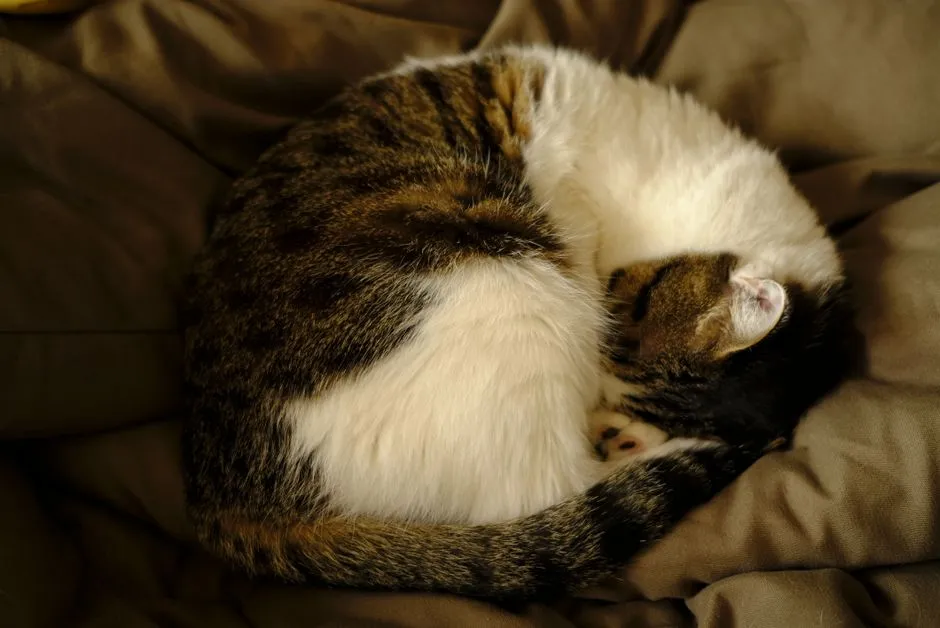
Good cat play looks like a tiny hunt
The easiest way to play well with a cat is to move a wand toy like prey: let it disappear, pause, dart away, get caught and finally “die”. Use several short sessions across the day rather than one exhausting marathon. Keep hands and feet out of the game, allow successful catches and stop while the cat is still engaged or shows it has had enough.
Play supports exercise, problem-solving and the bond between cat and person. It is especially important indoors, but the right game depends on age, mobility, confidence and preference. A kitten may chase anything that twitches; a senior may prefer one strategic paw from behind a cushion, delivered with the air of approving a minor expense.
Start with the hunting sequence
Cats tend to stalk, chase, pounce, grab and bite or kick. A useful interactive game provides several of those steps without using a real animal or human limb.
With a wand toy:
- Move the lure away from the cat, low along the ground or behind furniture.
- Pause as if it has hidden.
- Make a short unpredictable movement when the cat focuses.
- Let the cat chase and catch it regularly.
- Allow a brief grab or bunny-kick with a suitable toy.
- Slow the movement and finish with a catch.
Cats Protection's play guidance recommends games that encourage stalking, pouncing, chasing and batting, and letting the cat catch the toy to avoid frustration.
Do not wave the lure continuously in the cat's face. Prey usually moves away, hides and pauses; it does not conduct an aerobics class two centimetres from a predator's nose.
How often should you play?
Several short opportunities usually suit cats better than one long session. Kittens and young cats may initiate play many times; adults and seniors often prefer fewer or gentler bouts. Let the cat's response set duration rather than forcing a daily quota.
Try predictable sessions around the times your cat is naturally active, often morning and evening. A play-then-meal routine can create a satisfying rhythm. Food used in puzzles or rewards must come from the cat's normal daily allowance, particularly if weight is a concern.
End or pause when the cat walks away, grooms, lies down, turns its head repeatedly, flattens its ears, lashes its tail or becomes over-aroused. Our body-language guide covers those signals in context.
A sudden loss of interest, reluctance to jump or changed movement can indicate pain or illness. See your vet, especially when the change persists or comes with appetite, breathing, grooming or toileting changes.
Choose toys by job
Wand toys for interactive hunting
Rod-and-lure toys keep claws and teeth away from hands and let you create distance, speed and cover. Vary movement across the floor, around boxes and briefly into the air if the cat enjoys jumping safely. Store the toy after play; string, wire, feathers and elastic can cause entanglement or ingestion when unsupervised.
Kicker toys for grabbing
A long soft toy gives the cat something appropriate to hold with the front paws and kick with the hind legs. It is useful when a wand catch becomes physical. Check seams and remove loose stuffing, bells or parts.
Balls and small toys for solo batting
Choose items too large to swallow and without sharp edges. Test whether they can become trapped over the jaw or break into pieces. Rotate a small selection rather than covering the floor with everything at once; novelty often returns after a toy spends a week in a cupboard.
Boxes, tunnels and paper
Boxes create cover for stalking and resting. Cut handles or holes large enough that the cat cannot trap its head, remove staples and tape, and ensure stacked boxes cannot collapse. Paper bags can be fun only after removing handles; plastic bags are not toys.
Puzzle feeders and food hunts
Use part of a normal meal in a commercial or safely made puzzle. Begin easy so food falls out with a simple nudge, then increase challenge. Cats need different feeding options, and a puzzle should not be the only route to food for an anxious, sick or physically limited cat.
Never teach that skin is prey
Do not wiggle fingers under blankets, wrestle with hands or invite ankle attacks, even with a kitten. The same behaviour becomes painful in an adult, and the cat cannot understand that human rules changed when its teeth got bigger.
Redirect to a wand or thrown toy before the ambush begins. If teeth or claws contact skin, go still, end the interaction calmly and create space. Do not shout, hit, spray water or chase the cat. Punishment can add fear and arousal without teaching an alternative.
Our guide to why cats bite helps distinguish play from overstimulation, fear and pain. Sudden or escalating aggression needs a veterinary check and, when medical causes are excluded, qualified behaviour support.
Use laser toys cautiously—or skip them
A laser creates chase without a physical catch. Some cats enjoy it briefly; others become frustrated or continue searching after the dot disappears. Never shine it into eyes or near roads, stairs and fragile objects.
If you use one, keep the game short and finish by guiding the dot onto a real toy or food reward the cat can capture. Stop using it if the cat remains agitated, searches compulsively or seems distressed. A wand offers the cleaner hunt because the ending exists outside a philosophical debate.
Adapt play to age and mobility
Kittens
Provide frequent short sessions, sturdy toys and supervised exploration. Teach from the start that hands are not toys. Remove strings and small parts whenever nobody is watching.
Adult indoor cats
Mix interactive hunting, vertical routes, boxes, window views, puzzle feeding and safe solo toys. Rotate locations as well as toys. Moving the same lure behind a new cardboard box may be more interesting than buying an electronic device with a product manager.
Senior cats and cats with limited mobility
Keep play low and controlled on non-slip flooring. A long wand can bring movement within comfortable reach. Avoid repeated high jumps and tight turns. International Cat Care's home-modification guidance recommends short, cat-led, low-impact play for cats with mobility problems and veterinary advice about suitable activity.
Multi-cat homes
Play one-to-one when possible. A bold cat can monopolise the lure while another sits back. Use separate rooms or two adults with two toys, and ensure every cat has escape routes. Competition is not enrichment when one participant is hiding under the table.
Make a five-minute game better
Change speed rather than maintaining frantic motion. Use furniture as cover without letting the string wrap around legs. Move the toy across the cat's field of view, pause, then reward attention with a realistic escape. Let catches happen. Alternate ground prey and gentle aerial movement according to preference.
Finish by slowing the lure, offering a final capture and putting it away after the cat releases. A small portion of the normal meal can follow. This clear ending helps the household return to ordinary business—sleeping on clean laundry and attending meetings without an invitation.
Inspect toys like safety equipment
Before every session, check string, elastic, feathers, bells, glue and seams. Discard damaged items rather than repairing them with loose tape or staples. Supervise anything that can tangle, shred or be swallowed. If you see string protruding from a cat's mouth or anus, do not pull it; prevent further ingestion and contact a vet urgently.
Suspected swallowed toy parts, repeated vomiting, drooling, abdominal pain, lethargy or appetite loss need prompt veterinary assessment. Toys are enrichment only while they remain outside the cat.
Browse our life-at-home guides for more ways to shape the environment. The best cat toy is not the one with the most batteries. It is the one that lets your particular cat stalk, think, catch and finish safely—with you paying attention at the other end.
Frequently asked questions
How often should I play with my cat?
Offer several short opportunities through the day and let the individual cat determine duration. Kittens and young cats often want many energetic bouts; adults and seniors may prefer fewer, gentler games. Predictable morning and evening play can fit natural activity patterns. Stop when the cat walks away, grooms, rests or shows tension, and see your vet if interest suddenly or persistently declines.
What is the best way to play with a cat?
Use an interactive wand toy to mimic prey moving away, hiding, pausing and darting. Let the cat stalk, chase, pounce and catch it regularly, then slow down and finish with a final capture. Vary speed and cover instead of waving continuously at the face. Keep the game voluntary and use a kicker toy when the cat wants to grab and kick.
Why should I not play with a cat using my hands?
Hand play teaches the cat that fingers and feet are acceptable prey. A kitten's gentle attack can become painful when adult teeth, claws and strength arrive, and changing the rule later is confusing. Redirect stalking and grabbing to wand, thrown and kicker toys. If skin contact occurs, become still and end calmly; do not punish, shout or spray water.
Are laser pointers bad for cats?
They can frustrate some cats because the moving target cannot be physically caught. If you use one, never shine it into eyes, keep the game brief and finish by guiding the dot to a real toy or food reward the cat can capture. Stop if the cat remains agitated or searches afterward. A wand toy usually provides a clearer and more satisfying ending.
Can I leave wand toys out for my cat?
No. Put away wand toys and anything with string, elastic, wire or detachable feathers after supervised play because they can tangle around a neck or limb or be swallowed. Inspect seams and components before each use. If a cat may have swallowed string or a toy part, contact a vet promptly; never pull visible string from the mouth or anus.
How should I play with a senior cat?
Use short, low-impact, cat-led sessions on carpet or another non-slip surface. Move a long wand within easy reach instead of asking for repeated jumps and tight turns, and provide comfortable pauses. Senior cats still benefit from mental engagement, but reluctance to move may reflect pain. Ask your vet about any mobility change and which activity is appropriate for diagnosed conditions.